Introduction
In today’s fast-paced world, instant communication is critical—especially in industries like security, construction, events, and manufacturing. One of the most reliable tools for real-time communication is the walkie talkie.
But what exactly is a walkie talkie, and why is it still widely used even in the age of smartphones? This complete beginner guide will help you understand everything you need to know about walkie talkies, from how they work to where they are used.
What is a Walkie Talkie?
A walkie talkie, also known as a two-way radio, is a handheld wireless communication device that allows users to communicate over short to long distances using radio frequencies.
Unlike mobile phones, walkie talkies do not require a SIM card or network coverage. They work on a push-to-talk (PTT) system, where one person speaks while others listen.
How Does a Walkie Talkie Work?
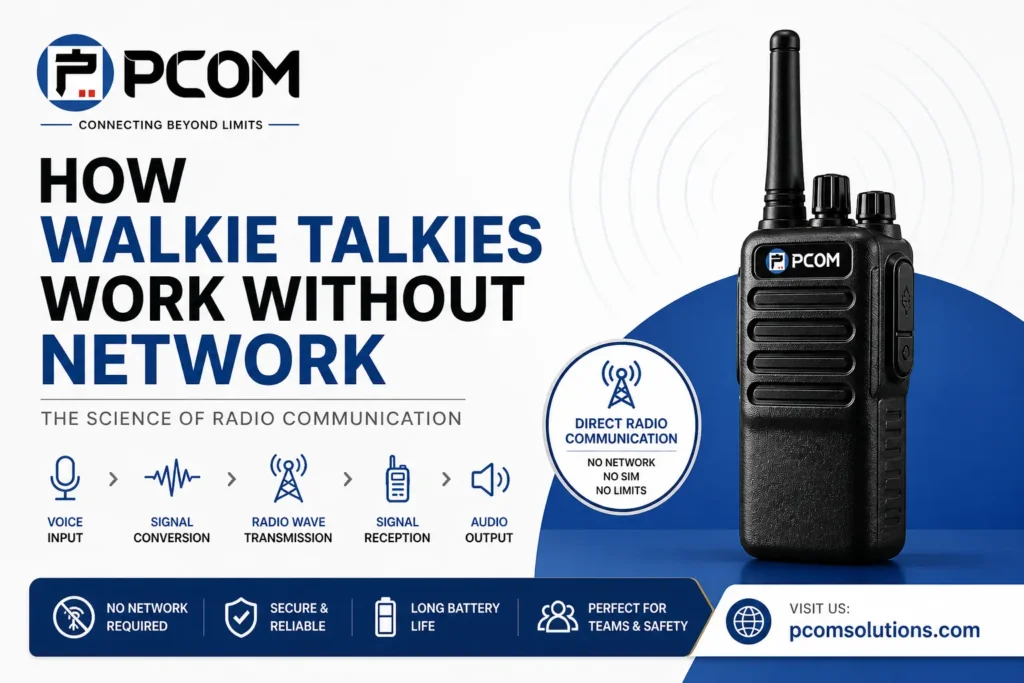
A walkie talkie works by transmitting your voice as radio signals. Here’s a simple breakdown:
- You press the Push-to-Talk (PTT) button
- Your voice is converted into a radio signal
- The signal is transmitted over a specific frequency
- Another walkie talkie on the same frequency receives the signal
- The device converts it back into sound
This process happens almost instantly, making communication fast and efficient.
Key Features of a Walkie Talkie
Modern walkie talkies come with a variety of features:
- Instant Communication – No dialing or waiting
- Long Battery Life – Works for extended hours
- Durability – Designed for tough environments
- Range Coverage – From 1 km to 10+ km (depending on model)
- Multiple Channels – Allows communication with different groups
- Noise Cancellation – Clear audio even in noisy areas
Types of Walkie Talkies
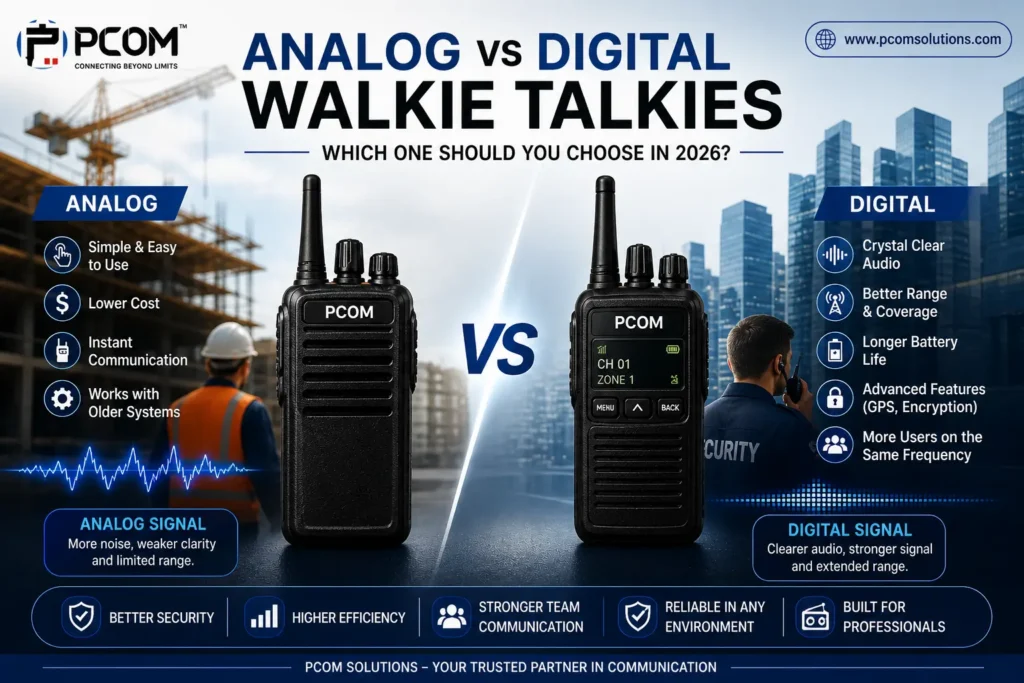
1. Analog Walkie Talkie
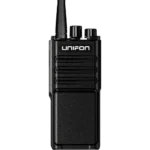
- Traditional communication system
- Cost-effective
- Suitable for basic use
2. Digital Walkie Talkie
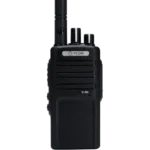
- Better audio clarity
- More features like encryption
- Higher efficiency
3. PoC (Push-to-Talk Over Cellular) Walkie Talkie
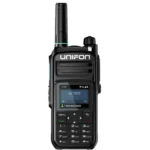
- Uses 4G/5G SIM network
- Unlimited range
- Ideal for nationwide communication
Walkie Talkie Range Explained
The range of a walkie talkie depends on several factors:
- Terrain (buildings, mountains, open area)
- Frequency (UHF or VHF)
- Power output
- Antenna quality
Typical ranges:
- Urban areas: 1–3 km
- Open areas: 5–10 km
- With repeaters: Much higher
Where Are Walkie Talkies Used?
Walkie talkies are widely used across industries:
- Security Services – Guards and supervisors
- Construction Sites – Team coordination
- Hotels & Hospitality – Staff communication
- Event Management – Real-time coordination
- Factories & Warehouses – Operations management
- Emergency Services – Police, fire, rescue
Walkie Talkie vs Mobile Phone
| Feature | Walkie Talkie | Mobile Phone |
|---|---|---|
| Communication Speed | Instant | Slower (dialing required) |
| Network Dependency | No | Yes |
| Group Communication | Easy | Limited |
| Durability | High | Moderate |
| Operating Cost | Low | High |
Advantages of Using a Walkie Talkie
- Instant communication
- No recurring costs
- Reliable in remote areas
- Strong and durable
- Ideal for team coordination
Limitations of Walkie Talkies
- Limited range (except PoC devices)
- One person speaks at a time
- Requires frequency management
How to Choose the Right Walkie Talkie
When selecting a walkie talkie, consider:
- Usage (security, industrial, personal)
- Range requirement
- Battery life
- Environment (indoor/outdoor)
- Analog vs Digital vs PoC
Conclusion
A walkie talkie remains one of the most efficient and reliable communication tools available today. Whether you are managing a security team, running a construction site, or organizing an event, walkie talkies ensure seamless and instant communication.
With advancements in digital and PoC technology, walkie talkies are becoming even more powerful, making them an essential tool for modern businesses.
FAQs
1. What is a walkie talkie used for?
A walkie talkie is used for instant communication between individuals or teams without relying on mobile networks.
2. Do walkie talkies need a SIM card?
No, traditional walkie talkies do not require a SIM card. However, PoC walkie talkies use SIM-based networks.
3. What is the range of a walkie talkie?
The range varies from 1 km to over 10 km depending on the model and environment.
4. Are walkie talkies better than phones?
For team communication and instant response, walkie talkies are often more efficient than mobile phones.
5. Which walkie talkie is best for beginners?
Basic analog or license-free walkie talkies are ideal for beginners.
Call to Action
Looking for reliable and high-performance walkie talkies?
Explore our latest range of professional devices designed for security, industrial, and commercial use.
👉 Contact us today to find the perfect solution for your needs.

How a Walkie-Talkie Works: Components, RF Technology and Specifications Explained
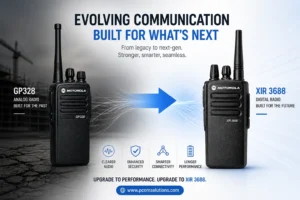
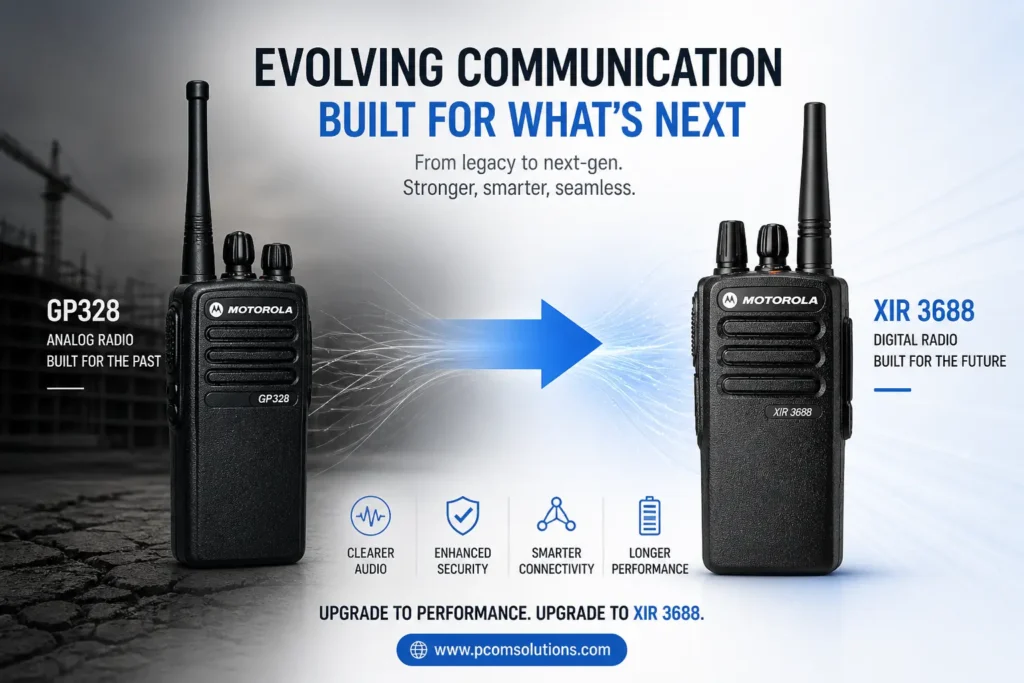
Motorola XIR P3688: Features, Comparison & Why It Replaces GP328
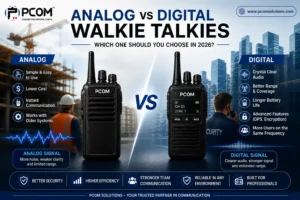
Analog vs Digital Walkie Talkies: Which One Should You Choose in 2026?